Researchers of Tomsk State university made an important discovery in the field of ecology. In tungsten production waste, they discovered unique microorganisms that naturally neutralize hazardous substances. This discovery could become the basis for new purification technologies.
The global mining industry produces billions of tons of hazardous waste every year. The so-called “tails” are saturated with heavy metals and acids, polluting soils and water bodies. This problem has long been considered one of the most difficult for ecologists.
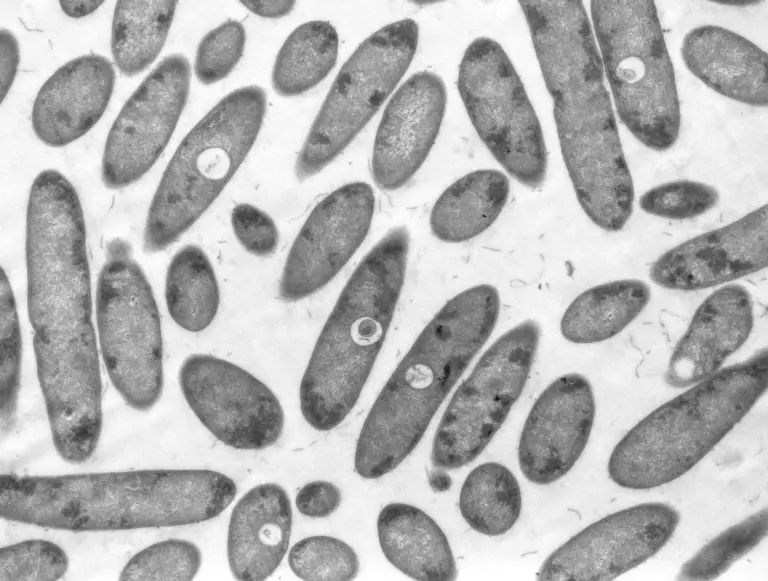
A breakthrough was made by TSU biologists while studying a tailings dump at a mine in Transbaikalia. Here they identified a new species of bacteria called Desulfosporosines cupriresistens. These microorganisms have an amazing ability – sulfate reduction. They convert dissolved sulfates and heavy metals into harmless insoluble compounds that settle to the bottom.
Simply put, bacteria “eat” hazardous waste components, rendering them harmless. This process can be compared to nature’s detoxification system. Scientists were especially surprised by the high speed of purification, despite the small number of microorganisms themselves. Open bacteria are rare in the biosphere and are extremely important for ecological balance.
Another surprise was the discovery of spores of thermophilic bacteria, which were likely airborne from distant hot springs. This speaks of complex natural self-purification mechanisms that have yet to be fully studied.
The discovery of Tomsk scientists has enormous practical potential. Understanding the work of these bacteria opens the way to the creation of biotechnologies for the purification of already accumulated waste and the safety of new industries. Natural “sanitation workers” could be the basis for a green future for the entire mining industry.
Source: tass.ru