The mining industry is preparing to move into territories that have long remained beyond the reach of large-scale resource development. A new report by BMI outlines a vision for the next 25 years in which mining expands beyond the Arctic Circle, descends thousands of meters below the ocean surface, and eventually reaches beyond Earth’s orbit.
Several factors are driving this shift. Existing deposits are becoming depleted, ore grades continue to decline, and growing demand from the energy transition and data center construction is creating supply pressure for commodities ranging from copper to rare earth elements. Governments are increasingly willing to invest billions of dollars in projects that were once considered too remote, costly, or risky.
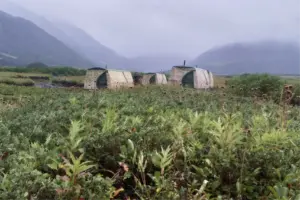
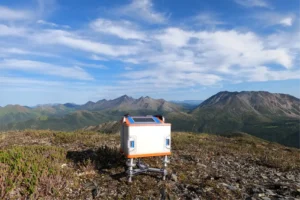
The Arctic is expected to become the first major frontier. Melting sea ice is opening seasonal access to northern territories, while geopolitical considerations are increasing the strategic value of mineral resources in Canada, the United States, Greenland, and Russia. Greenland has emerged as one of the most prominent examples. The island’s government has openly encouraged Western investment in its mining sector, warning that if Western capital remains absent, Chinese investors may fill the gap. The stakes are considerable: Greenland hosts deposits containing up to 40 minerals classified as critical by the United States and the European Union.
Several projects are already advancing. Critical Metals recently secured approval for the transfer of the Tanbreez license and increased its ownership stake to 92.5%. Tanbreez is one of the largest undeveloped heavy rare earth element deposits outside China, with an estimated resource of 4.7 billion tonnes. Initial production is expected by late 2028. Another Greenland project, Malmbjerg, holds a 30-year mining license and is projected to supply roughly one-quarter of the European Union’s annual molybdenum demand during its first decade of operation.
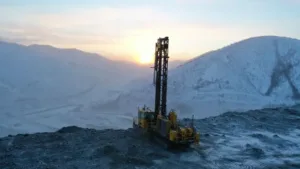
However, Arctic development faces significant obstacles. The Kvanefjeld project remains suspended due to Greenland’s uranium mining ban. In Canada’s Nunavut territory, the expansion of the Mary River iron ore mine has been delayed by environmental concerns and opposition from local hunting communities. Winter roads, which support diamond mining operations in northern Canada, are becoming less reliable due to warmer winters. Meanwhile, the proposed 340-kilometer access road to Alaska’s Ambler mining district remains the subject of intense legal and political disputes.
Deep-sea mining is now moving from concept toward regulation and commercialization. Vast deposits of polymetallic nodules containing manganese, nickel, copper, and cobalt lie on the ocean floor. The United States has taken steps to accelerate offshore resource development. Presidentially backed initiatives have encouraged faster permitting processes for seabed mining projects. The Metals Company plans to build a processing facility in Texas and aims to deploy its first commercial nodule collection system by the end of 2027.
Yet significant regulatory uncertainty remains. The International Seabed Authority has not finalized rules governing commercial mining in international waters. Approximately 40 countries currently support a moratorium on deep-sea mining activities. Norway has suspended its own seabed mining plans following political pressure and legal action from environmental organizations. Scientific studies have also raised concerns about ecological impacts. One recent study reported a 37% decline in populations of seabed organisms in areas disturbed by mining equipment.
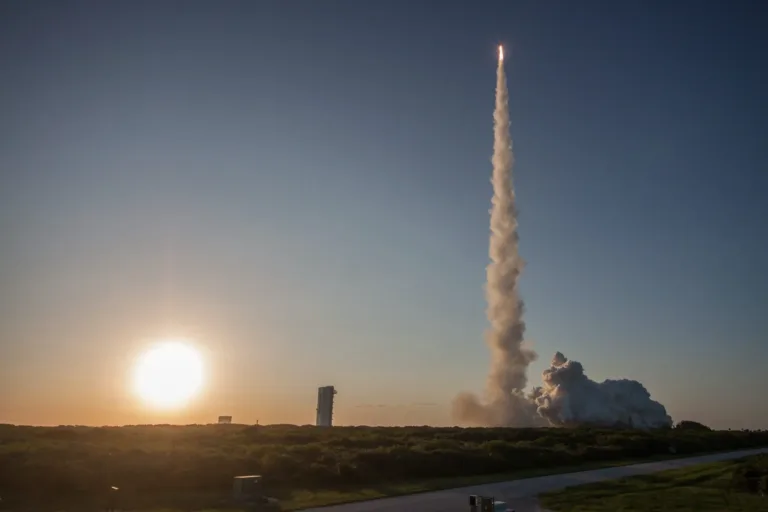
Space remains the most distant frontier for the mining industry. Private companies such as AstroForge have already raised more than $40 million for asteroid exploration missions and have obtained the first commercial authorization for activities in deep space. NASA plans to deploy a pilot resource-processing facility on the Moon by 2032 as part of broader efforts to support long-term lunar operations. Despite these advances, returning minerals from asteroids to Earth remains economically impractical. According to industry estimates, the price of iridium would need to increase by approximately 140,000 times for a commercial asteroid-mining mission to become financially viable.
Technological innovation, artificial intelligence, and government support are gradually transforming concepts once considered science fiction into real business strategies. Yet the industry faces a fundamental reality: mineral resources remain abundant, but easy and inexpensive access to them is becoming increasingly rare.
The future of mining will likely depend not only on the availability of resources, but also on humanity’s ability to overcome technical, environmental, economic, and regulatory barriers in some of the most challenging environments on Earth—and beyond.
Source: BMI
Image: OSIRIS-REx – NASA