The Oshurkovskoye apatite deposit in Buryatia could face an international inspection. A summer mission of UNESCO’s World Heritage Centre to Lake Baikal has a mandate to review projects that could harm the lake. And concerns over the proposed open-pit mine, which would be located close to the Selenga River channel, are already mounting.
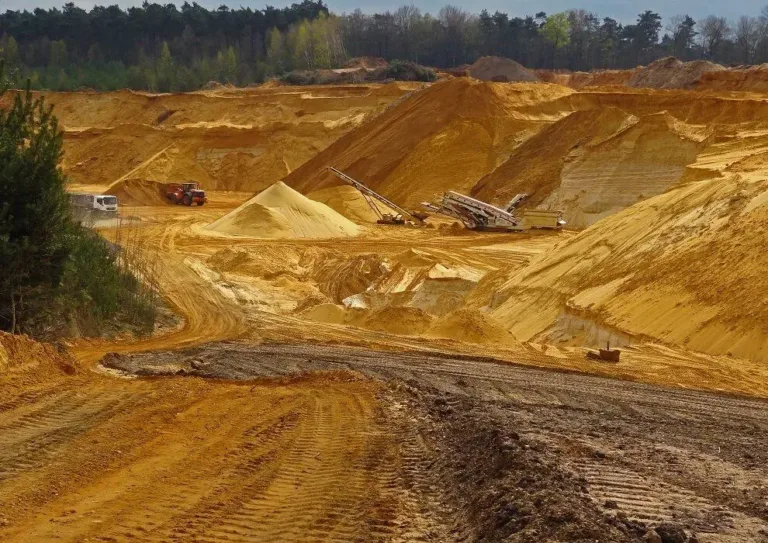
The project calls for an open pit up to 400 meters below the river level. To prevent the mine from flooding, water would have to be continuously pumped out. Hydrogeologists are raising concerns that such large-scale dewatering could create a cone of depression, effectively lowering groundwater levels in the surrounding area. Scientists from the Siberian Branch of the Russian Academy of Sciences warn that the actual water inflow into the proposed 5-square-kilometer pit could be significantly higher than the project’s estimates.
The main threat to Lake Baikal is phosphorus. Apatite is a phosphorus-bearing raw material, and if phosphorus enters the lake, it can trigger eutrophication. In simple terms, the water begins to experience excessive algal growth, including the spread of Spirogyra. The Selenga Delta, which some have suggested could act as a natural barrier, would not provide sufficient protection against this process.
The Baikal omul, an endemic fish found only in the lake and its basin, could also be affected. The project’s potential impact zone includes spawning grounds for the species.
Local residents are strongly opposed to the development. Scientists have backed their concerns, noting as early as last autumn that key environmental issues had not been resolved even after the project underwent a state environmental review. UNESCO could now join the debate, as the mission’s mandate allows it to inspect initiatives that pose a threat to the lake.
The Oshurkovskoye project sits at the intersection of economic interests and environmental protection of a unique natural site. If international experts confirm the potential risks, plans to mine apatite near the Selenga River could face serious obstacles.
Source: @nerzhavey
Image: @nerzhavey