Kazakhstan-based gold producer Solidcore Resources is making an unexpected move — entering the Japanese market through Canada’s Japan Gold Corp. The company is acquiring nearly a fifth of Japan Gold’s shares and taking on the financing of exploration at five sites. Total commitments amount to roughly $25 million over three years. Here’s what’s behind the deal.
Why Japan. A country with a rich gold mining history remains geologically underexplored today. Many mines closed decades ago and never saw modern technology applied. For a company skilled in working with epithermal gold, this is a rare opportunity to enter a territory with existing infrastructure and low competition.
What Solidcore is buying. The deal involves 18.81% of Japan Gold’s share capital. The shares are being acquired through a private placement: nearly 79 million shares at CAD 0.12 each. Along with the shares, the buyer receives more than 5.7 million warrants — rights to purchase additional shares at a fixed price over three years. If exercised, the stake would grow to 19.9%.
What the buyer gets beyond shares. As long as its stake doesn’t fall below 18%, Solidcore can appoint two representatives to the board of directors. With a stake between 10% and 18%, it retains the right to one. Participation in future share placements proportional to its stake is also secured separately.
How the exploration is structured. The partnership covers five sites in Hokkaido and Kyushu. Solidcore is fully funding a three-year, $25 million program. Based on the results, it can earn 49% in selected sites. The stake then increases to 70% through financing a preliminary feasibility study, and to 80% through a full feasibility study. All programs and budgets are overseen by a joint committee, where Solidcore holds the deciding vote in the event of a tie.
What comes next. After the feasibility study is completed, Japan Gold has three options: fund its remaining 20% stake independently, sell half of its stake to its partner and convert the remainder into a 1.5% net proceeds royalty, or fully exit the project at a price based on net present value.
Geological context. The Hakuryu site sits next to the Konomai district, which produced more than two million ounces of gold over six decades of the last century. Badze includes a zone where a single vein yielded more than three hundred thousand ounces at very high grade. Mizobe is structurally similar to the Hishikari deposit, which holds 13 million ounces of reserves. Ryuo comprises five workings shut down in 1943. Aibetsu covers five gold, silver, and mercury occurrences, including the Tokusei mine.
Company’s position. Solidcore CEO Vitaly Nesis called the main advantage the potential to build a large mining district whose geology the company’s specialists already know well. Additional factors cited were predictable regulation and the region’s limited exploration history.
Background
Japan Gold Corp. is registered in Canada but is considered Japan’s largest gold explorer, with licenses covering more than 3,000 square kilometers. Solidcore Resources was formerly known as Polymetal; it develops the Kyzyl and Varvarinskoye projects in Kazakhstan and plans to launch a hydrometallurgical complex in Pavlodar by 2028.
The deal looks like a bet on undervalued geology and long-term potential. For Solidcore, it’s an entry into a new jurisdiction with clear rules; for Japan Gold, it brings exploration funding and an experienced partner. Whether the bet pays off will be shown by the drilling.
Source: Kapital.kz
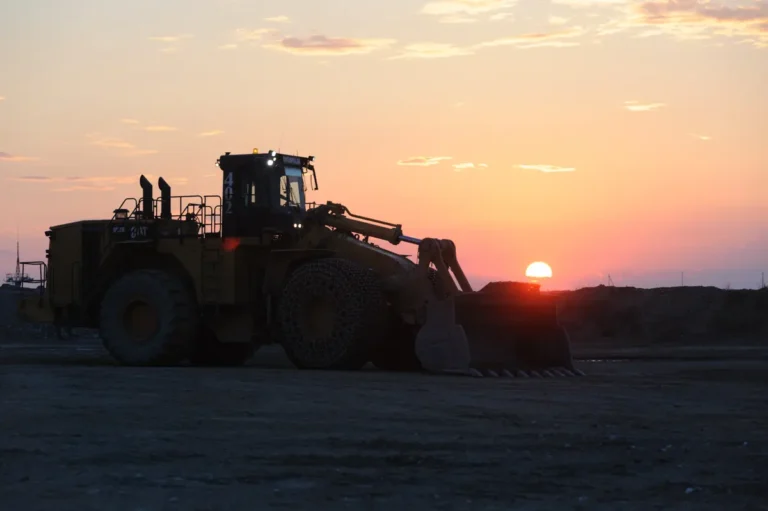
Image: Solidcore Resources