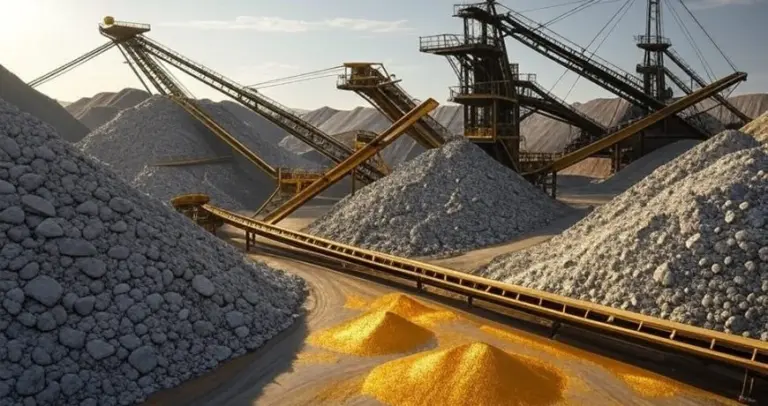
Russian companies consistently produce about four tons gold per year from technogenic dumps. This figure has been maintained since 2019. The total resource potential of this area is estimated at a whopping five thousand tons of precious metal.
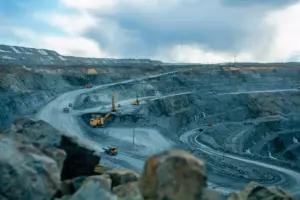
The bulk of these resources, approximately 4.5 thousand tons, are concentrated in the Far East. Here for a long history gold mining gigantic volumes of processed rock have accumulated. The largest technogenic deposits are located in the Lensko-Bodabiinsky, Verkhnekolymsky and Aldansky regions. According to experts, these dumps contain from 15% to 20% of gold, which previously could not be recovered due to the imperfections of old technologies.
More detailed studies confirm the high potential of man-made objects. Their reserves are often comparable to the predicted resources of new deposits. For example, the dumps of Central Kolyma can contain up to 1000 tons of gold, in the Amur region – more than 200 tons, and in Yakutia – about 300 tons.
As traditional deposits are gradually depleted, and modern technologies make it possible to effectively process old dumps, the importance of technogenic gold will only grow. Involving these objects in development is becoming one of the most pressing tasks for the Russian gold mining industry. This is not only economically beneficial, but also helps solve the environmental problems of abandoned areas.
The material was prepared with the support of the Russian Ministry of Education and Science as part of the Decade of Science and Technology.
Source: @nedradvnews
Image: pronedra.ru