The era of governments standing on the sidelines of the mining industry may be coming to an end. Governments are no longer relying solely on licenses and subsidies—they are taking equity stakes in mining companies, financing projects, and securing rights to future production. The latest example is the United Kingdom, which is set to become both a shareholder and a potential buyer of tungsten from one of the world’s largest deposits.
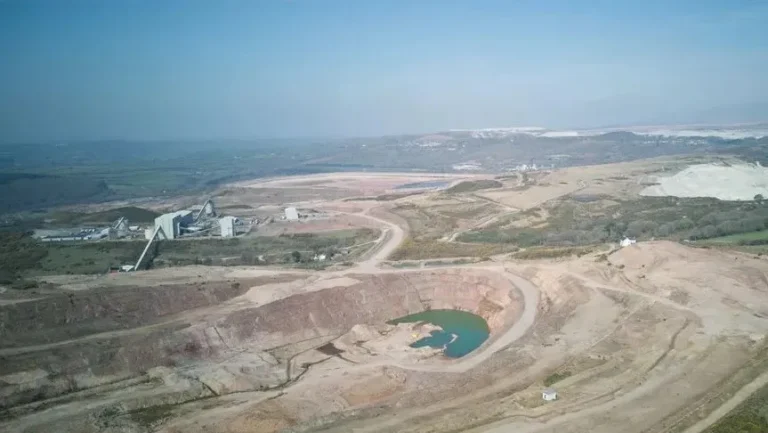
London has announced support for the restart of the Hemerdon tungsten mine in Devon. The country’s National Wealth Fund will provide up to £71 million, equivalent to approximately US$96.5 million. Once the transaction is completed, the government will acquire a 7.4% stake in the company, gain the right to negotiate the purchase of up to 50% of future tungsten production, and receive preferred creditor status.
In effect, a single transaction makes the government a shareholder, lender, and anchor customer at the same time. Tungsten is a strategic metal widely used in the defense, energy, and aerospace industries. Hemerdon is considered one of the world’s largest tungsten resources and also contains tin.
The UK case is not an isolated example. The United States has already taken stakes in the Thacker Pass lithium project and USA Rare Earth, which is developing rare earth assets. In Canada, the government of Quebec owns a stake in Nemaska Lithium, a major lithium development project. The structure is broadly the same in each case: the government moves beyond the role of an external regulator and becomes a direct participant in the supply chain.
The reason is straightforward. Critical minerals are no longer simply commodities traded on global markets. They have become strategic tools of economic and national security. In areas considered vital to domestic industries, relying entirely on market conditions and private capital is increasingly seen as too risky.
The world is returning to a model in which strategic mineral resources are partly controlled by governments. This is not a return to blanket nationalization, however, but rather a targeted approach in which governments acquire stakes, provide financing, and secure access to critical raw materials for domestic industries.
Source: Mining.com.au
Image: Tungsten West