The Kyrgyz government is placing special emphasis on preparations for the upcoming heating season. In an effort to reduce dependence on imports and address winter air pollution in the capital, the country is modernizing its largest coal mine and restructuring its fuel supply system.
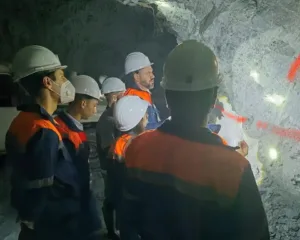
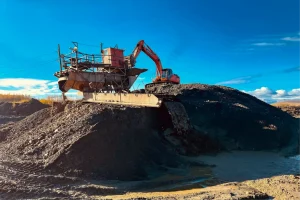
Deputy Minister of Energy Nasipbek Kerimov personally inspected key industry assets, including the Kara-Keche coal mine and the Agulak site, during a visit in early June. Heavy rainfall in May damaged parts of the mine’s haul roads and temporarily slowed operations. However, by the time of the inspection, overburden removal had returned to schedule, and most of the production shortfall had been eliminated.
The Ministry of Energy has approved a detailed coal distribution plan for 2026 to ensure stable fuel supplies throughout the winter season. The main recipient will be the Bishkek combined heat and power plant (CHP), which relies on thermal coal to generate electricity and provide heating during peak winter demand. Households will be supplied exclusively with graded, higher-quality coal. To help consumers avoid excessive markups from intermediaries, the ministry is preparing a network of regional fuel depots throughout the country.
Public institutions are also a priority. Schools, hospitals, and kindergartens will receive guaranteed coal deliveries, while remaining volumes will be reserved as a strategic stockpile for periods of extreme cold.
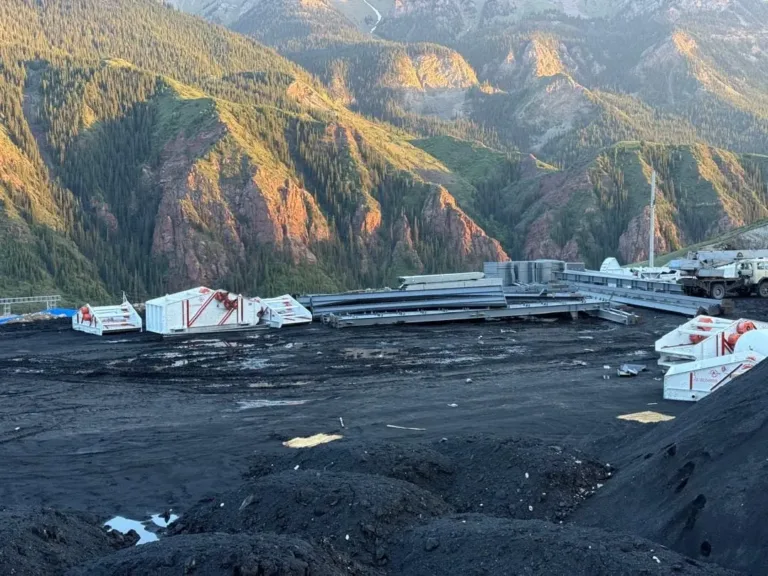
The most significant development is the government’s decision to construct a modern coal sorting and briquetting plant at Kara-Keche. The project is scheduled for implementation during 2026–2027. The upgraded fuel produced at the facility will allow the Bishkek CHP plant to burn cleaner coal, significantly reducing harmful emissions and the winter smog that regularly blankets the capital.
For Kyrgyzstan, coal remains a critical component of energy security and economic independence. As of early 2026, the country’s proven coal reserves stood at 1.8 billion tonnes. Total explored resources are estimated at 2.3 billion tonnes, while overall geological potential reaches approximately 6.5 billion tonnes. The increase in resource estimates is largely attributed to intensive exploration programs carried out during 2025.
While many countries focus on renewable energy development, Kyrgyzstan continues to rely heavily on its domestic mineral resources. The development of the coal sector remains directly linked to residential heating, the operation of essential public services, and the country’s overall energy security.
Source: CDU TEK
Image: Economist.kg