Russia plans to completely abandon the import of rare and rare earth metals in the coming years. This ambitious goal is set by the Ministry of Industry and Trade as part of the federal project for the development of this critically important industry.
By 2030, the country intends to reduce its dependence on foreign supplies of lithium, zirconium, niobium, tungsten and rare earth metals to zero. This will provide raw materials to high-tech industries, including defense, electronics and green energy.
The state’s financial plans are no less impressive. It is expected that production volume in monetary terms will more than triple – from 29 billion rubles in 2024 to 100 billion rubles by the end of the decade.
To achieve these indicators, there will be a sharp increase in production. It is planned that within five years the production of large-scale metals such as lithium and tungsten will reach 50 thousand tons. The production of low-tonnage, but extremely important elements, including tantalum and beryllium, should be 80 tons.
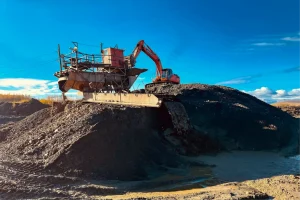
The main increase will be provided by new deposits all over the country. Already in 2026, Arctic Lithium will begin development of the Polmostundrovskoye deposit in the Murmansk region with a design capacity of 20 thousand tons per year. Following it, projects will begin in Tuva and the Irkutsk region.
One of the largest players is the Polar Lithium company, a joint venture between Norilsk Nickel and Rosatom. They will fully launch the Kolmozerskoye deposit by 2031 to produce up to 45 thousand tons of lithium annually.
At the same time, zirconium production will be established at the Tuganskoye and Kovdorskoye deposits. The production of rare earth metal oxides has been launched in the Murmansk region and the Moscow region.
The implementation of these plans will radically change Russia’s position in the world market. With the second largest reserves of rare earth metals in the world, the country still occupies less than one percent of their production. The new strategy will not only ensure its own security, but also establish itself as a major exporter.
The material was prepared with the support of the Russian Ministry of Education and Science as part of the Decade of Science and Technology.
Source: @nerzhavey
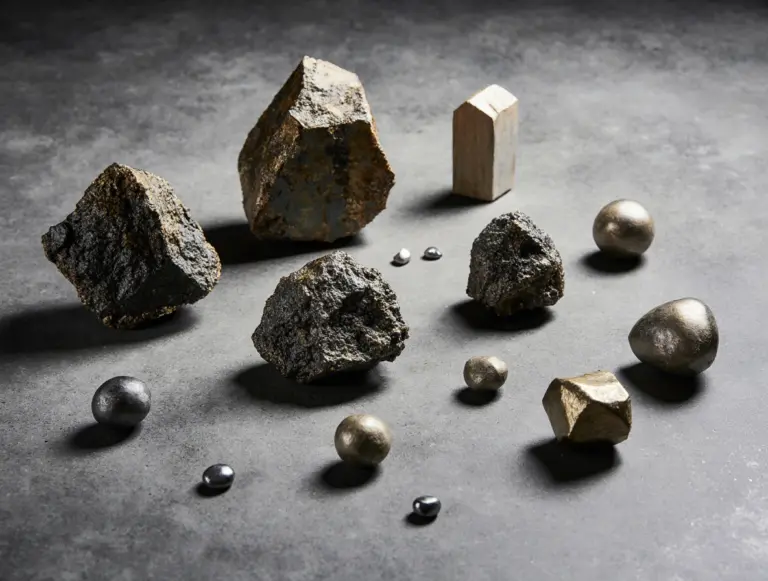
Image generated by a neural network