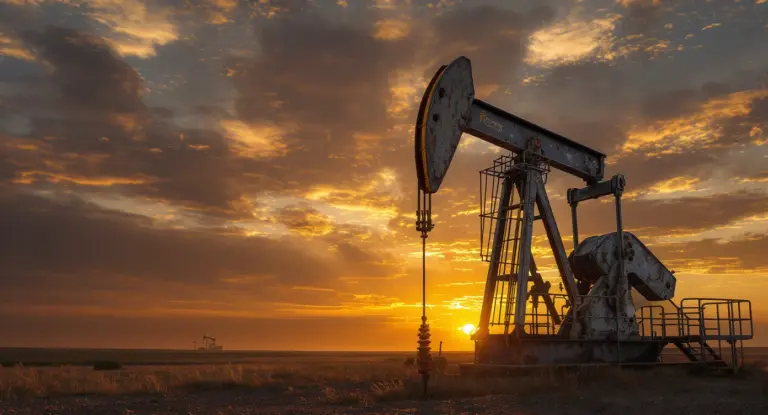
Russian oil companies are increasingly investing in increasing production at existing deposits, reducing the cost of searching for new ones. In 2024, development drilling and stimulation accounted for 72% of capital expenditures versus 68% in 2020. The share of exploration and seismic exploration fell from 32% to 28%. The trend is expected to intensify this year.
Experts attribute this transition to economic and geopolitical reasons. Among them are external restrictions, OPEC+ quotas and increased competition in world markets. Intelligence new regions remains an expensive and difficult task, especially in the context of sanctions pressure on technology.
In these circumstances, three areas are of key importance: horizontal drilling, multi-stage hydraulic fracturing and well workover. These methods make it possible to develop previously inaccessible formations and significantly extend the life of old wells.
However, dependence on imports remains in the high-tech segment, such as rotor systems and equipment for offshore platforms. This creates risks for the implementation of complex projects in the Arctic and on the shelf.
Analysts believe that the current strategy will ensure stable production over the next 3-5 years. But without a technological breakthrough and new discoveries, stagnation is possible after 2030. Already in 2024, oil production in Russia decreased by 3%.
The development of technologies for working with hard-to-recover reserves can give the country up to 30 million tons of additional production annually. This requires systemic government support, including stable tax conditions and the development of domestic equipment.
The material was prepared with the support of the Russian Ministry of Education and Science as part of the Decade of Science and Technology.
Source: @nefte_baza