The US National Oceanic and Atmospheric Administration has simplified the procedure for obtaining licenses for the development of seabed mineral resources. This decision is designed to help American companies start production faster critical metals and reduce dependence on China.
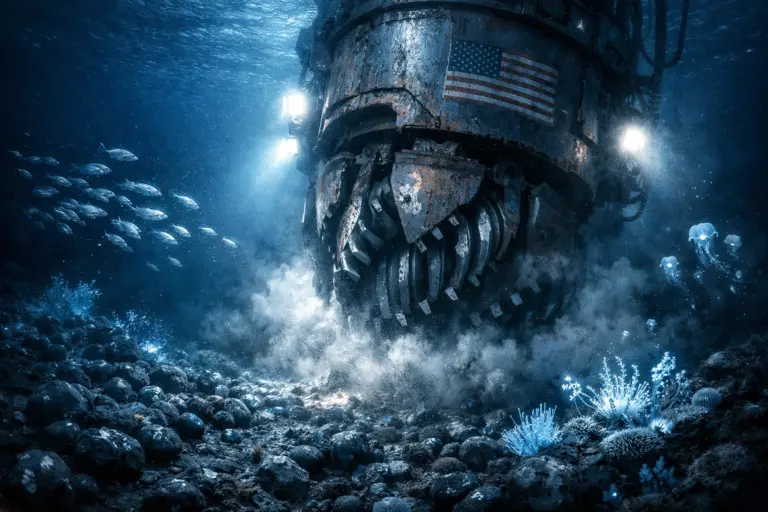
US authorities are taking steps to encourage deep-sea mining. NOAA has approved a new rule that allows companies to apply for an exploration license and a commercial mining permit at the same time. Previously it was a sequential process.
The initiative comes from the administration of President Donald Trump, which sees ocean development as a strategic response to China’s dominance. in the supply of critical minerals. These metals, such as cobalt, nickel and copper, are needed to make batteries, electronics and defense equipment.
The changes have already found practical application. A subsidiary of the Canadian The Metals Co. filed the first consolidated application to develop a polymetallic nodule field in the Pacific Ocean. NOAA has begun public hearings on this project.
Supporters of the fast track process, including Energy and Mineral Resources Subcommittee Chairman Pete Schober, argue it is a national security issue. They believe that the United States should not lag behind in the development of new sources of raw materials.
However, the decision attracted significant criticism. Environmentalists and some lawmakers have expressed concerns about unpredictable impacts on the fragile seabed ecosystem. Representatives of the US Pacific territories – Guam, American Samoa and the Northern Mariana Islands – are expressing particular concern. Their residents oppose mining in nearby waters, fearing irreversible damage to the ocean and doubting the economic benefits for themselves.
Despite environmental risks and local resistance, the Trump administration is betting on accelerating the development of deep-sea mining. This creates a legal basis for the start of industrial development mineral resources ocean, which could change global competition for critical metals.
Source: Phys.org