Want to know what a geologist does? Perhaps you are choosing a profession or have simply wondered why geologists are needed today. Everything that surrounds us appeared thanks to their work: in the phone – dozens of rare elements, there is fuel in the tank, heat and electricity in the house. Geologists still go into the field with a pick and a hammer, but now they have new tools in their arsenal – satellites, drones, artificial intelligence. Let’s figure out what is included in the profession of a geologist and what areas it combines.
What types of geologists are there: the essence of the profession
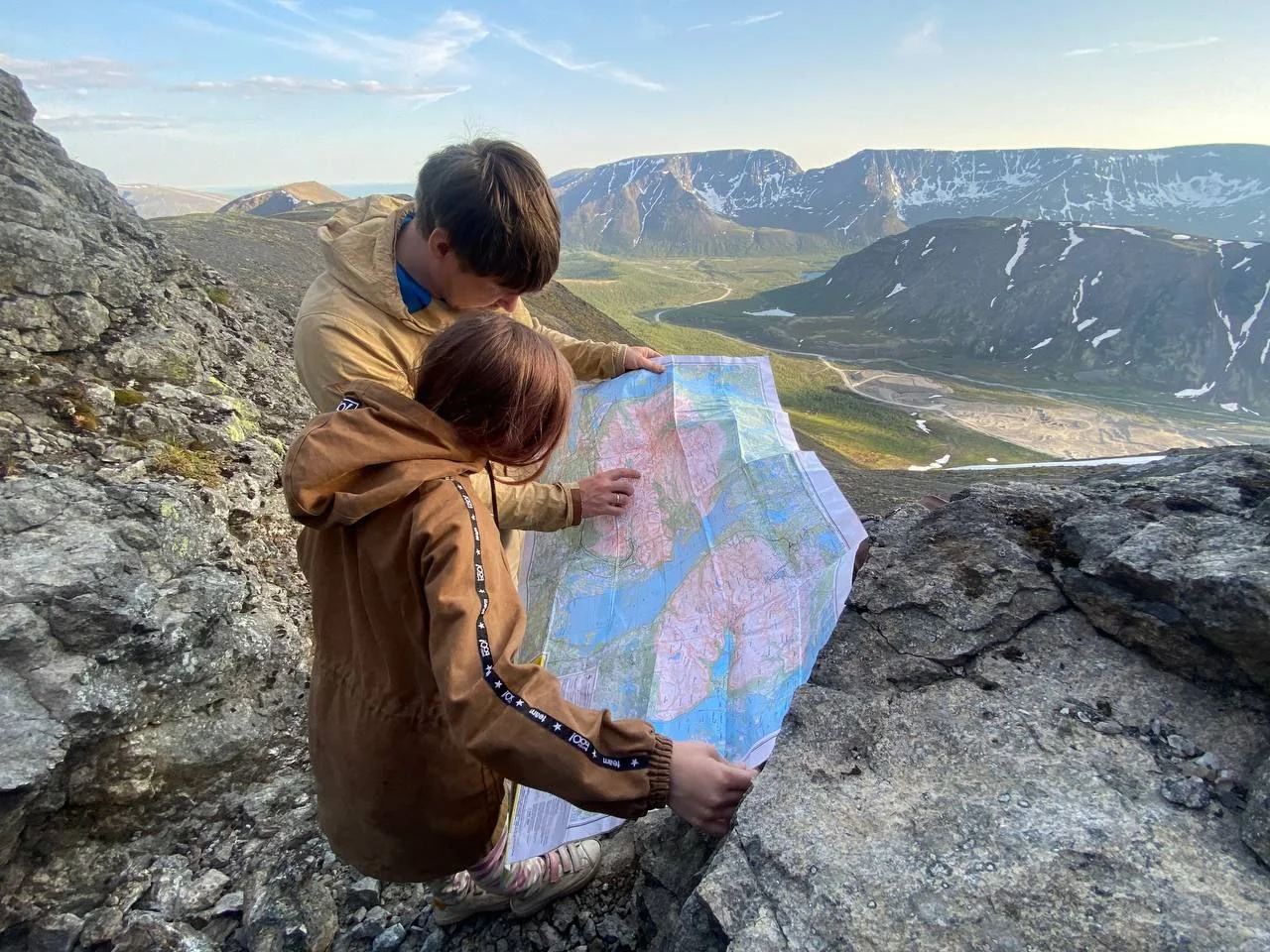
When we think of the word “geologist,” we most often think of a person with a hammer and a map. But in fact, these are dozens of areas, each of which is important for science and economics.
- Volcanologists They study volcanoes and help predict eruptions – this is directly related to the safety of people.
- Paleontologists study fossils to reconstruct Earth’s history and predict climate change.
- Mineralogists discover new properties of minerals, and use them to create ultra-strong materials and components for electronics.
- Gemologists determine the authenticity and value of precious stones – from diamonds to emeralds.
- Geochemists analyze the composition of rocks, waters and gases to determine exactly where to drill and what to look for.
Other specialists include applied areas: hydrogeologists, who are responsible for groundwater and water supply; Petroleum geologists discovering new oil and gas deposits. All of them are part of a large profession that is commonly called “geologist.”
You can delve deeper into the topic and choose a university in our material «Where to study to become a geologist: how to choose a university and not make a mistake».
What does a geologist do: main directions
Today, geology covers dozens of areas – from the search for minerals to the study of climate and technology development. Let’s look at the main areas where geologists work.
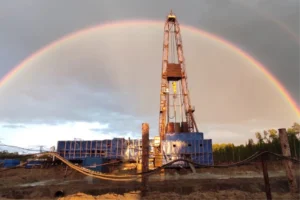
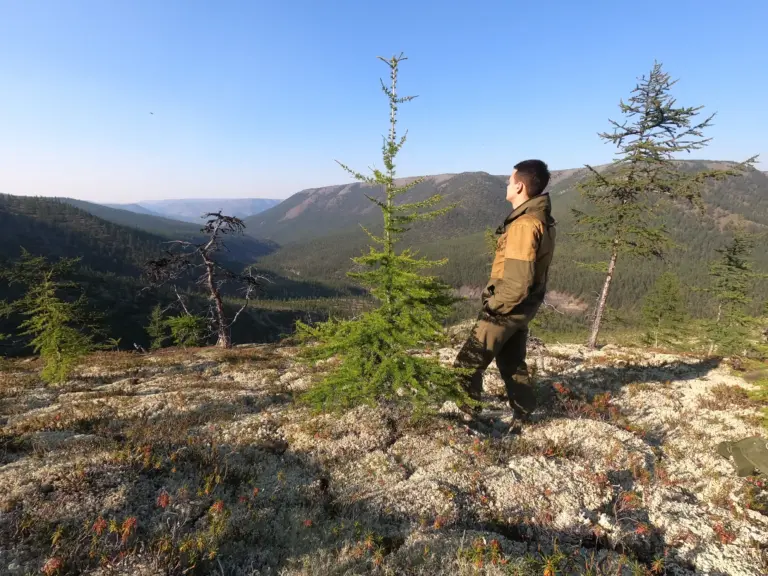
Geological exploration – one of the key areas where specialists work. This field work: sampling, mapping, application of geochemical and geophysical methods to search for deposits. Many begin their careers as technicians and then become team leaders and chief specialists.
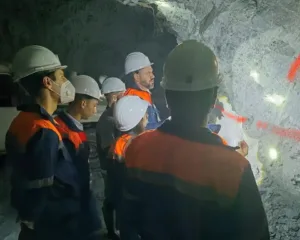
Field exploitation — work in operating mines, mines or oil and gas fields. Applied knowledge, data interpretation skills, and the ability to work in a team with engineers and technologists are important here.
Engineering Geology and Ecology — direction related to construction, infrastructure and environmental projects. Geologists are involved in examining soils for buildings, roads and dams, and also analyze the influence of the natural environment on construction.
Science and education – the path for those who want do research or teach. Many graduates remain at universities or go to scientific institutes. They publish articles, work in laboratories, train students and participate in grant projects.
Digital geology – a growing area that requires specialists who can work with data: geological maps, 3D models of deposits, geographic information systems, application of artificial intelligence and machine learning.
Sustainability and ESG – modern direction. Large companies hire geologists to monitor the environmental impact of mining, develop environmental measures and comply with international sustainability standards.
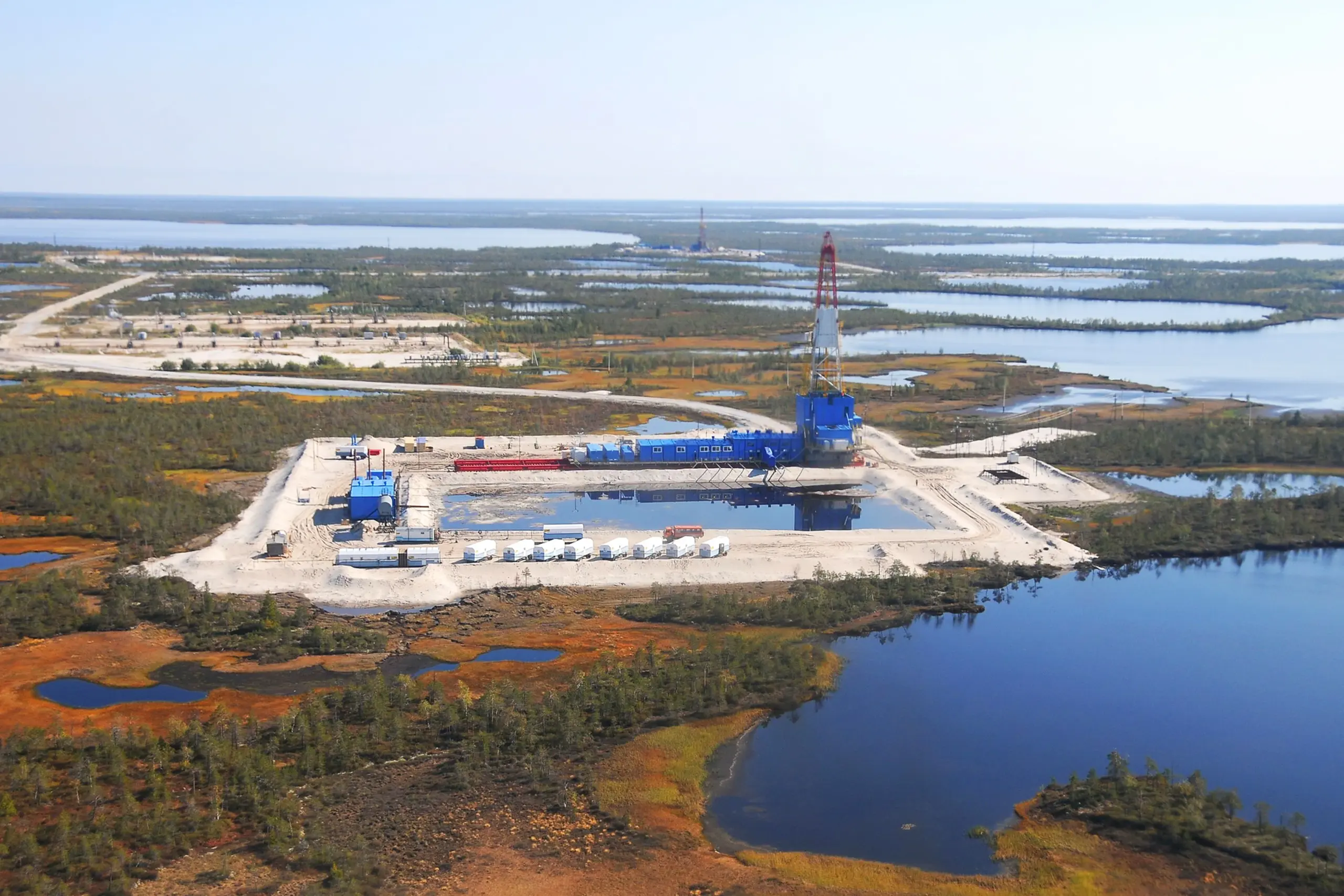
Why geology is the profession of the future
Today, humanity needs new sources of metals: copper, lithium, rare earth elements for batteries and smartphones, oil and gas for energy. All this will not come “out of thin air” – the resources must be found and studied by geologists.
The era of easy discoveries is truly over: rich deposits have already been developed. But the demand for raw materials is growing, and now the main task of geologists is to look for hidden, deep-lying ore bodies, discover new deposits and provide the economy with resources.
This is work at the intersection of technology and intelligence: satellite imagery, drones, artificial intelligence and 3D models are today as important as a classic geological hammer. Therefore, a geologist is a profession not only of the present, but also of the future.
You can learn more about where to build a career and what opportunities geology offers in the article: «How much do geologists earn in Russia: from field to mine».
Whether it is worth choosing the profession of a geologist is up to you. But the person who has walked this path speaks best about his choice. Geologist Taras Panikovsky in your telegram channel Kola Nature and Minerals wrote:
“And if I had another chance to live this life, I would choose geology again! This is a place where you can enjoy your work, admire the beauty of minerals and be yourself.”
What appeals to you more about this profession—the romance of field expeditions or working with modern technologies? Share in the comments.