You are preparing a subsoil use project for sale. You have a licence, the results of the work done, and perhaps the reserves have already been estimated. But then the questions begin: where do you look for a buyer, what will they check, how do you justify the price, and what needs to be prepared for the deal to happen at all? The investor’s questions are the mirror image: how do you tell a promising project from a problematic one, and what should you check before buying?
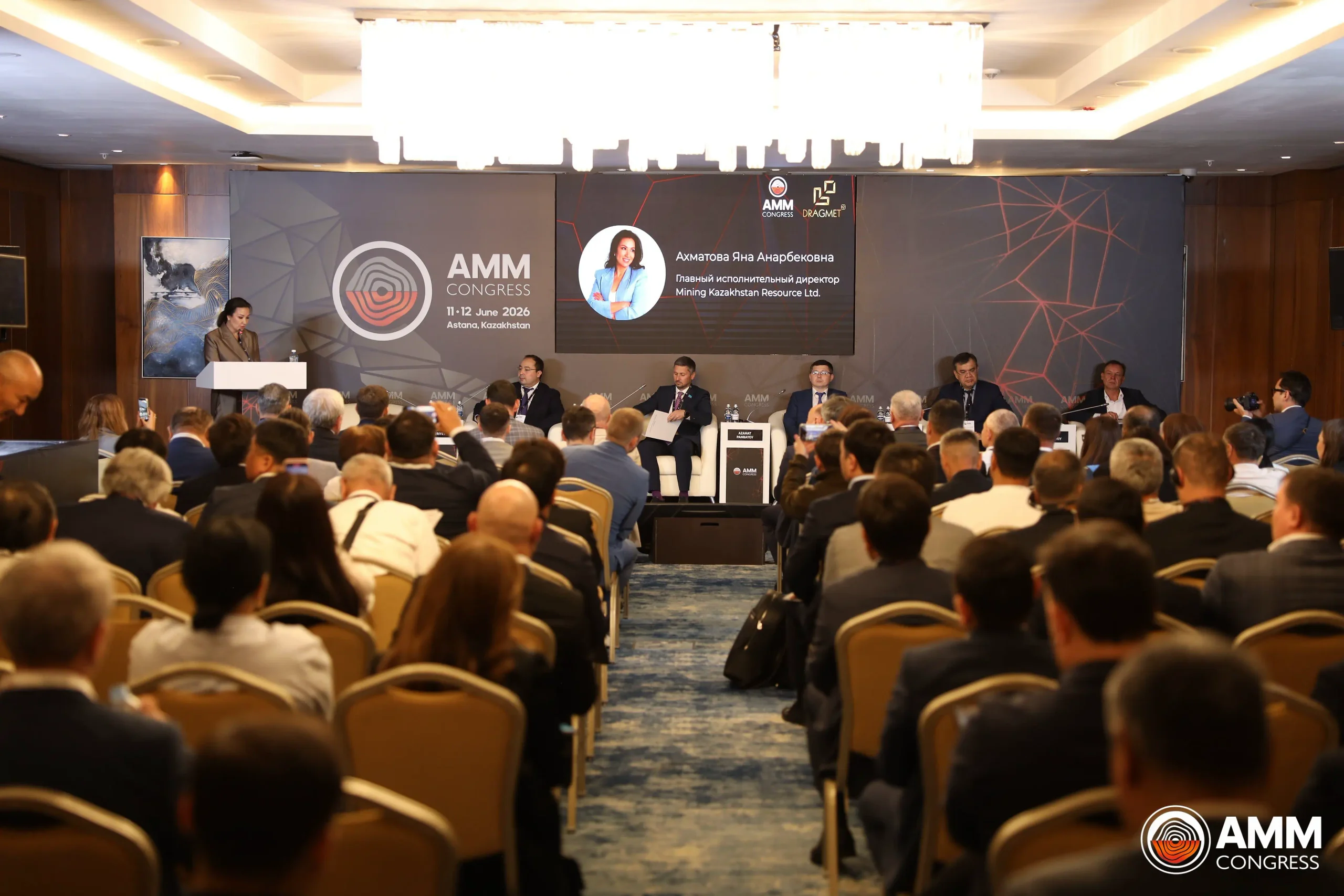
Yana Akhmatova, head of Mining Kazakhstan Resource Ltd., who selects projects and supports transactions in subsoil use, will help us understand how a deal works. We will go through the whole path, from preparing an asset for sale to due diligence and closing: what the owner must do at each stage, what the investor checks, and where a deal can fall apart, whether because of documents, unconfirmed geology, an inflated price, legal restrictions or disagreements between the parties.
What changes hands
Before looking at the deal itself, let us briefly agree on terms. In this article, by investor we mean an active buyer-investor: one who does not simply provide money to develop a project in exchange for a return, but acquires the whole project or a share in it and becomes a participant in subsoil use. In Yana Akhmatova’s experience, buyers often seek full control of the asset, although buying a share is also possible.
One more important clarification: when we speak of buying a “deposit”, we primarily mean a subsoil use project, not an operating mine. It can be a project at different stages, from a greenfield with an exploration licence to an asset with confirmed reserves that is preparing for production.
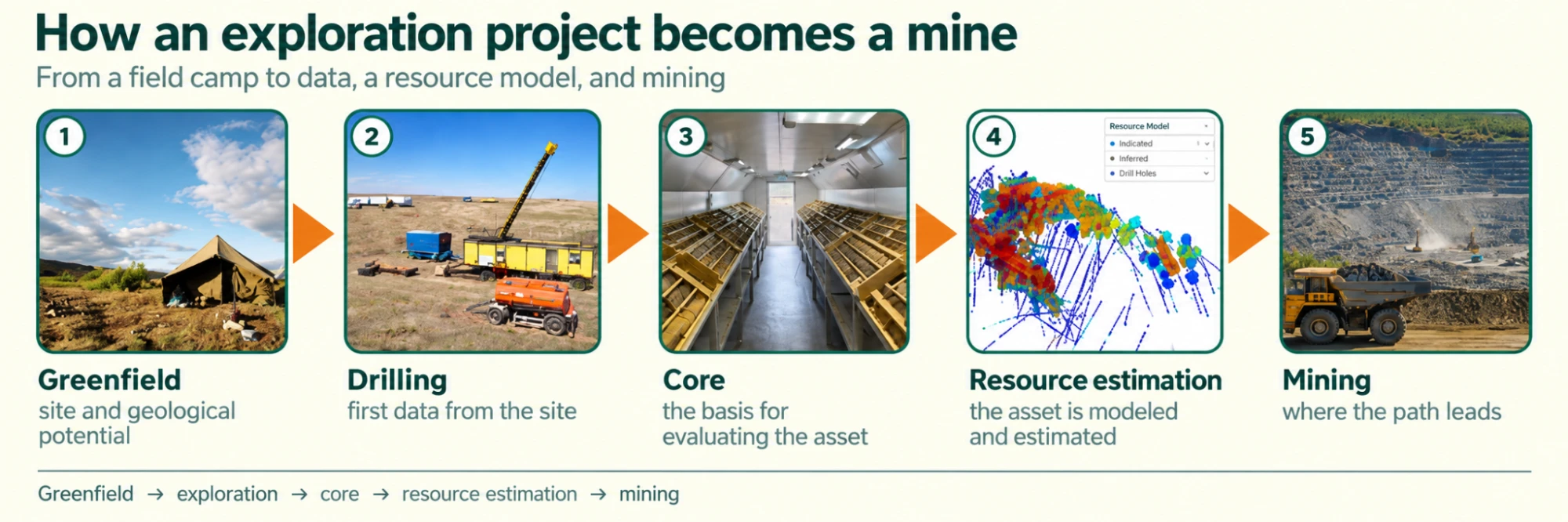
Roughly, the path looks like this:
- greenfield / early exploration: there is a right to work on the site and geological indications, but uncertainty is at its maximum;
- exploration project: part of the work has been done, and data on the structure of the deposit and its resource potential are emerging;
- subsoil use project: resources or reserves are confirmed, and part of the geological risk has been removed;
- pre-production stage: exploration is largely complete, and the project is moving towards obtaining the necessary permits and building the production facility.
The earlier the stage, the higher the geological risk: money can be spent without ending up with an economically significant deposit. An operating mine sits at the other end of this scale. There is far less uncertainty there, but such assets are priced differently and come to market much less often.
So from here on, when we write “buyer”, “investor” or “sale of a deposit”, we mean specifically an active buyer and an exploration project at one of the stages of its development. What is bought is neither the land itself nor the metal in the ground, but the rights and the corporate structure through which the project can be owned and further developed. The specific legal form depends on the country.
Why owners sell subsoil use projects
If you are only beginning to understand the market for subsoil use projects, a logical question may come up: if a project is good, why sell it at all? Isn’t the market mostly made up of what the owner wants to get rid of?
In practice, the reasons for selling vary widely. In Yana Akhmatova’s experience, the owner may lack the capital for the next stage of exploration, may not want to move on to building a plant and mining themselves, may decide to lock in the result after a certain stage of work, or may simply change strategy and exit the project.
Most often, according to Yana’s observations, it comes down to money or to reluctance to go through the next stage, the longest and most expensive one.
“A plant has to be built, and that will take another five or six years. And the person is already getting on in age and says: I want to live a little for myself, let the young people deal with it,” she says, giving an example from her practice.
Moreover, some exploration projects are developed from the start with a view to selling them later to a larger player. So the mere fact that a project is on the market says nothing about its quality: among the offers there are problem assets, and there are promising projects that the owner simply does not want or cannot develop further.
The owner needs to be able to explain the motive for the sale clearly. The buyer should not treat the fact of the sale as a red flag, but should examine the quality of the project itself.
A good project for the market: what must be ready before the sale
If you plan to sell a subsoil use project, preparation begins long before you look for a buyer. The foundation is order in the documents: a valid licence, reporting submitted on time, obligations fulfilled, environmental approvals and other necessary permits. This is not an advantage of the project, but the normal state of a business.
For the buyer, any problems here are an additional risk. Unfulfilled obligations, expired documents or environmental issues can drag out the deal, require extra costs and, in some cases, jeopardise the very right to work on the site.
But clean documents are only the baseline. A well-documented project is not necessarily a good asset. Yana gives an example from her practice: the documents were in order, the materials of large-scale exploration had been preserved, and a JORC report had also been prepared, but the gold lay deep, the grades were low, and no clear economics of development emerged. As Yana puts it, “the maths doesn’t work”.
So the owner’s next question is no longer “is everything properly documented?” but how to show that the project makes business sense. That is exactly what the presentation for the buyer is meant to do.
How to prepare a subsoil use project for a buyer
The project is ready for sale: the documents are in order, the geology is promising, and the economics broadly add up. The next step is to prepare a presentation for the buyer.
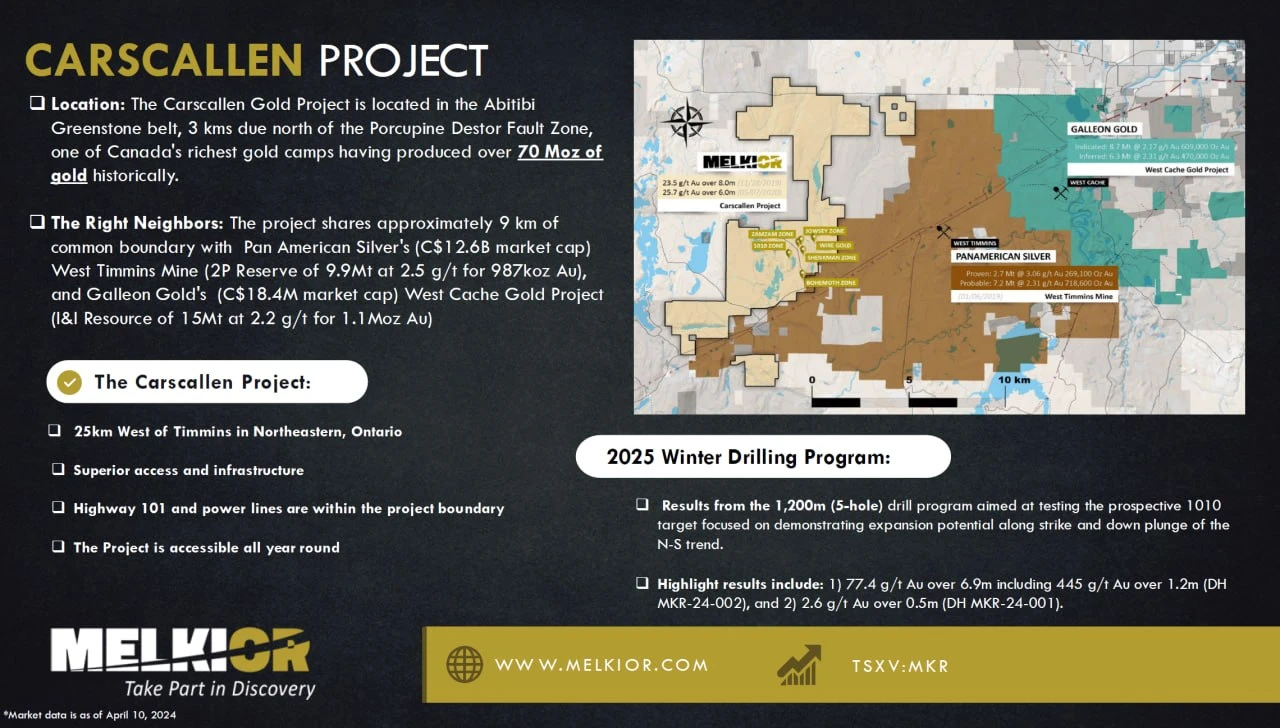
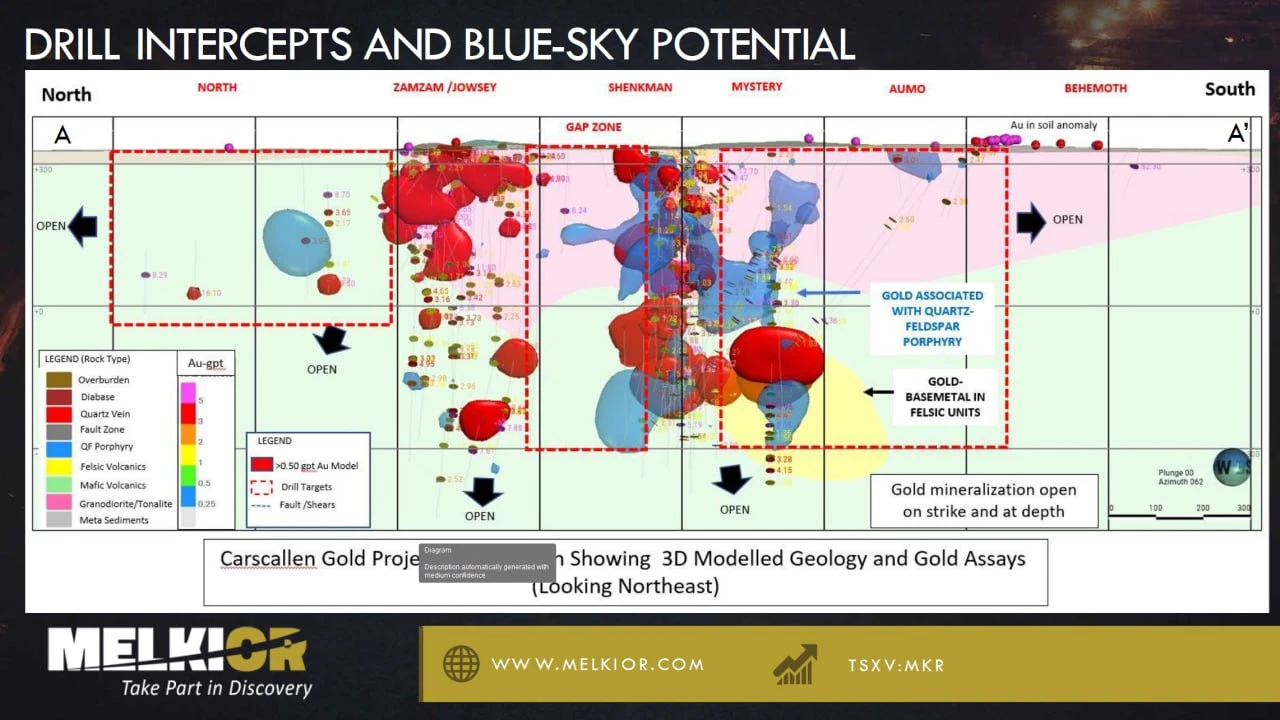
Here it is important to shift the perspective a little. It is natural for a geologist to show in detail the structure of the deposit, cross-sections, anomalies and the history of investigations. For the buyer, all of this matters mainly to the extent that it affects the economics of the project. Their main question is not how interesting the geology is in itself, but whether a profitable business can be built on this site.
So the presentation should put first what the future economics of the project are made of:
- which mineral;
- which resources or reserves are confirmed and what grades have been obtained;
- what stage the project is at;
- how much more will need to be invested;
- what infrastructure already exists and what will have to be built;
- what the licence terms and conditions are;
- which main risks are already known.
Geology remains the foundation of the project, but it should help explain these figures. For example, the depth of the deposit affects the cost of mining, old data require additional verification, and the grade and volume of ore determine the potential economics of the project.
The weak points should be shown separately. If there are environmental restrictions, difficult logistics, remote power grids, a need for additional exploration or significant future investment, it is better to state this right away. As Yana Akhmatova says, “the weak points of a project will definitely be found”: the buyer’s team will check the data anyway.
So before going to market, it is worth looking at the presentation once more through an investor’s eyes and asking yourself a simple question: does it show a business that can be built here, or does it so far only tell the geological story of the project?
How to value a project before selling
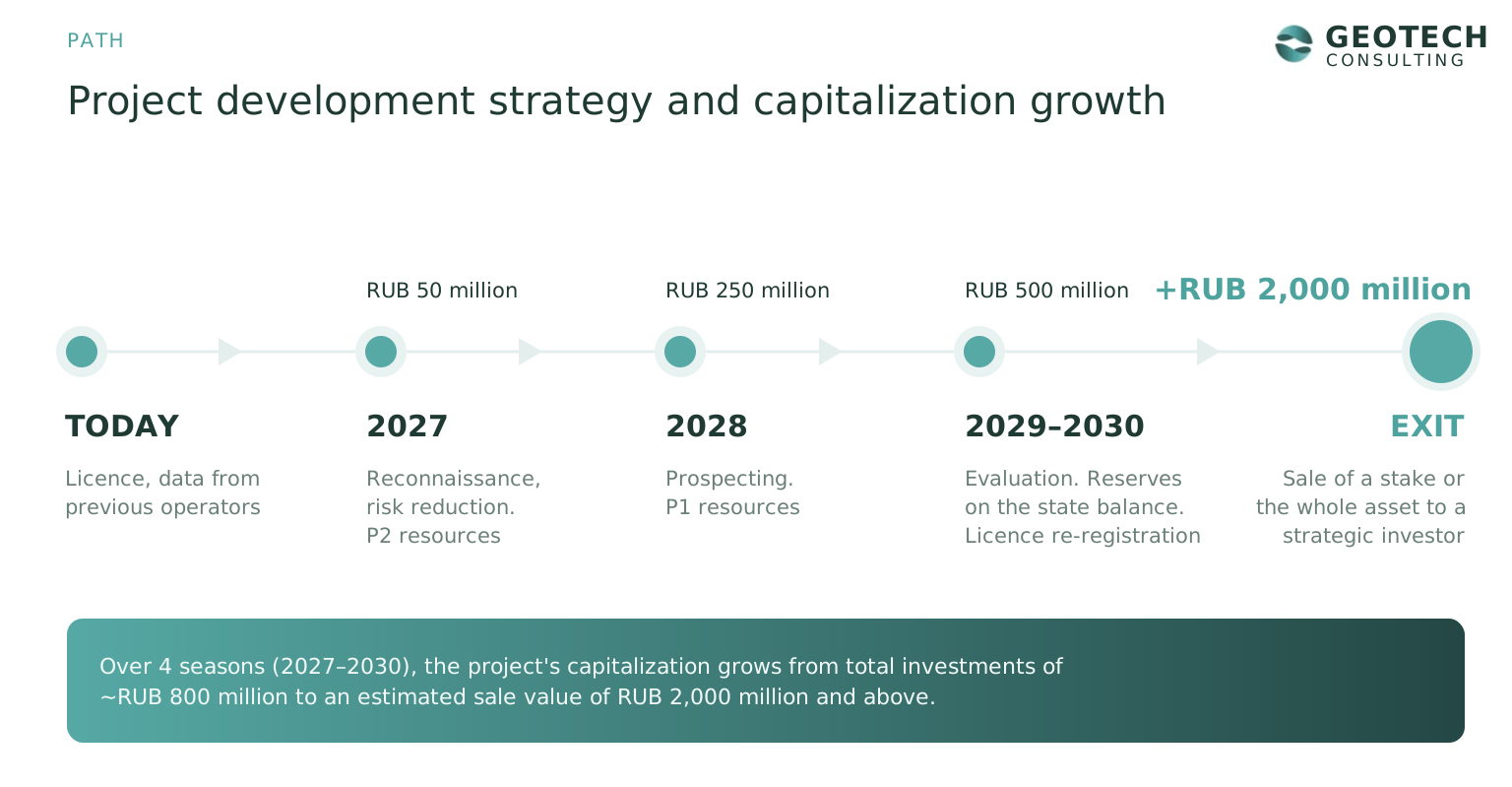
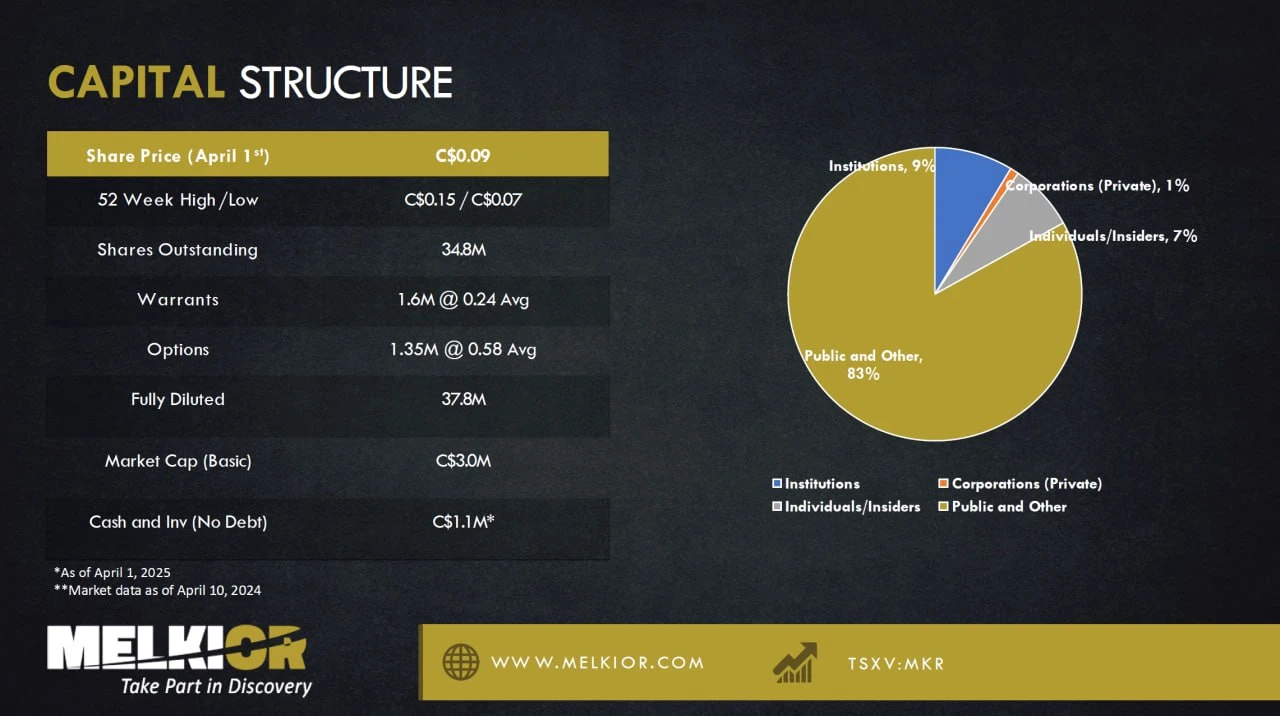
The owner needs to determine the price for themselves before going to market. And here the logic is not calculated from the metal in the ground. The price of an asset depends primarily on its stage. Until the resources are confirmed, the project has no cash flow that can be calculated. The benchmarks are the actual exploration costs, the quality and completeness of the data obtained, and comparable transactions in the region.
Once resources or reserves have been estimated, the valuation becomes a matter of calculation: the buyer builds a financial model of the future mine (ore volume, grades, recovery, capital and operating costs, time to production) and discounts the result for risk.
“The owner’s most common mistake is to multiply the metal in the ground by the exchange price and call that the value of the project,” says Yana Akhmatova. “The buyer counts differently: how much has to be invested to get that metal out, how many years it will take and what can go wrong. A price backed by a calculation can be discussed and defended. A buyer simply walks away from a project where the price is plucked out of thin air.”
In practice, the price is rarely a single sum. The parties often agree on phased payment: part at closing, the rest tied to events, for example confirmation of reserves, obtaining permits or the start of production. This structure brings the seller’s expectations and the buyer’s caution closer together.
How to find a buyer
Subsoil use projects have no Amazon where an owner can list an asset and an investor can open a catalogue and pick a suitable option. So the market here relies largely on the professional community and personal contacts.
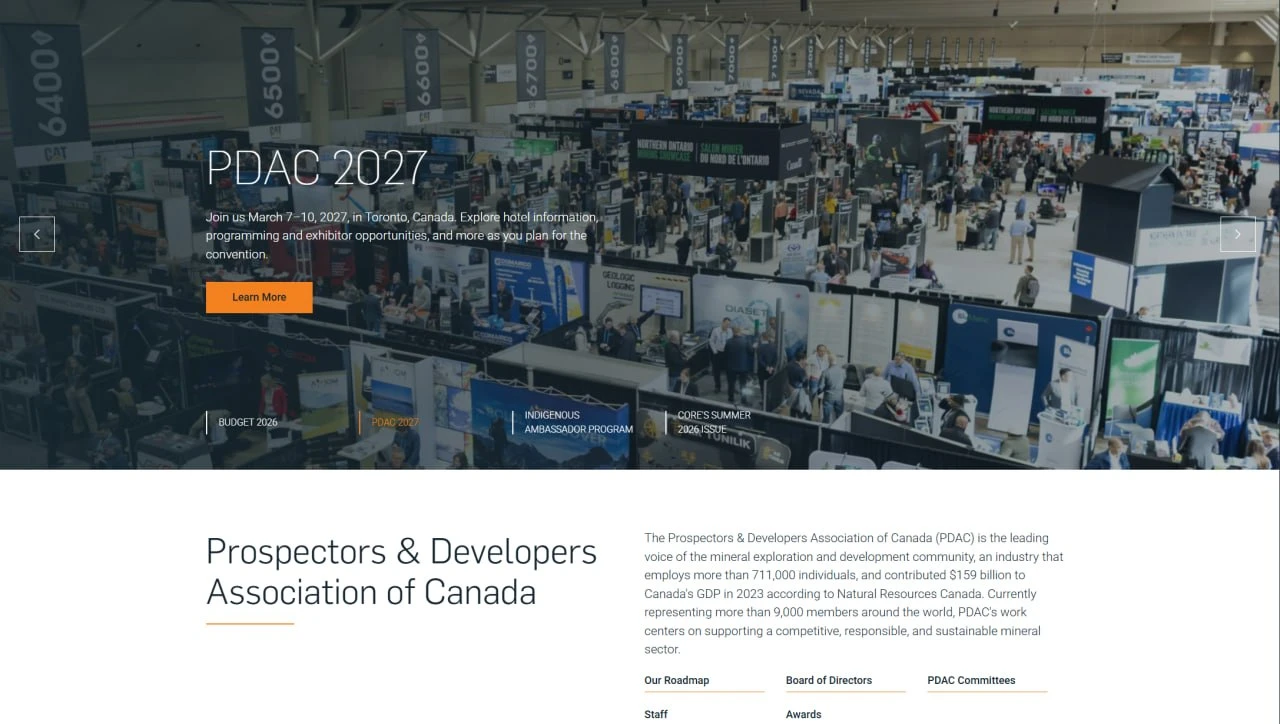
Buyers are found through industry conferences and forums, professional networking or direct contacts between subsoil users. It is at such venues that an owner can meet a potential buyer or reach one through mutual acquaintances.
You can also work through a transaction consultant. For example, Yana Akhmatova has already built a pool of investors for different types of projects: owners come to her, and she matches the asset with the requests of potential buyers. So the project does not have to be published openly; sometimes several interested parties already exist for it.
But finding a potential buyer is only the beginning. The presentation must first interest them enough to want to move from a first acquaintance with the project to verification.
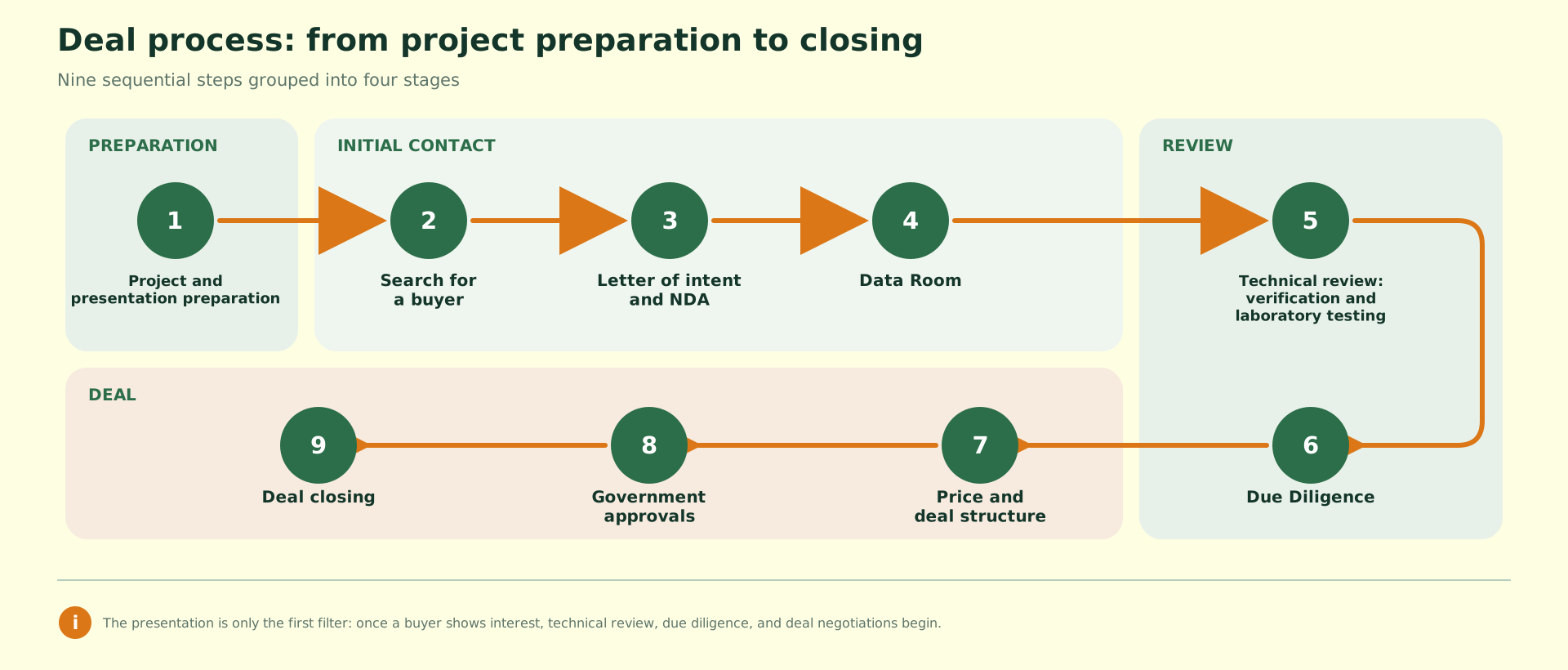
After that comes the mechanism of the deal itself: the parties exchange initial information, record their interest, sign a confidentiality agreement and open access to more detailed project materials. Then the buyer starts their own verification, and this is where the presentation ends and due diligence begins.
Verification: core first, paperwork second
If the presentation has interested the buyer, the next stage begins: project verification. And it is important to understand that the buyer will check on their own all the key figures the owner showed in the presentation.
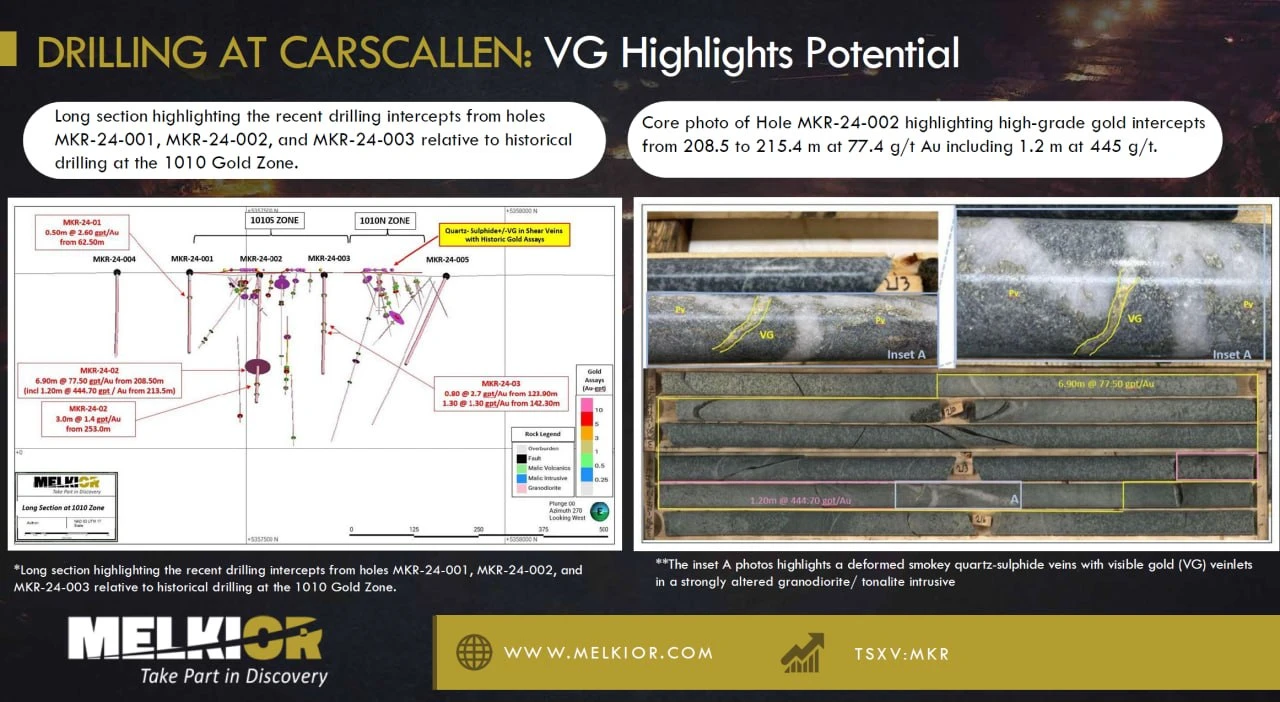
Usually the buyer’s technical team is brought in for this: geologists study the source materials, visit the site, check the results of earlier work and, if necessary, carry out control drilling, take their own samples and send them to a laboratory.
The purpose of this check is to confirm that the resources, grades, geological model and other source data really match what the project presentation was built on. So all assay results, reports and primary data must be collected and available for inspection in advance.
If the technical part is confirmed, a deeper due diligence begins. At this stage the company itself and the legal side of the project are checked: the licence, reporting and obligations, financial documents and taxes, corporate structure, environmental and other regulatory issues. In parallel, the buyer refines the economics of future development and the structure of the deal.
After that, the parties move on to agreeing the price and terms, obtaining the necessary corporate or state approvals, and closing the deal.
Even if the project is small, this does not happen in a matter of days. In Yana’s experience, a relatively small deal can take several months, while large projects go through verification and approvals for much longer.
The same verification also shows the opposite: signs that mean it is better not to enter a project. In Yana Akhmatova’s experience, you should be wary in six cases:
- Core and primary data are not shown. When asked for sampling logs and laboratory protocols, the owner sends the same presentation with the summary figures.
- Historical data without verification. Reserves were calculated from materials of past decades, the core has not been preserved and there was no control drilling: such figures remain a hypothesis.
- The licence is running out. It is about to expire, and the work programme obligations have still not been closed.
- A price without a calculation. The seller names a sum but cannot explain what it consists of.
- An opaque ownership structure. Nominee participants, pledges, debts, court disputes.
- Haste. The seller pushes for a quick decision, refers to other buyers and objects to control sampling.
But even a well-prepared deal does not always go to plan. Next we will look at where it can slow down or fall through.
Why a deal can drag on
Even a strong project with confirmed geology and normal documents does not guarantee a quick deal.
The buyer may have several projects under review at once, and the technical team physically cannot check all the materials quickly. In such a situation the project can simply get stuck in a queue, not because something is wrong with it, but because the company has other priorities.
A consultant supporting the deal can sometimes help here. Yana says, for example, that if she considers a project truly promising, she may go back to the buyer separately and draw attention to it: remind them of the project, contact the person who makes the decision, and not let a good option get lost among other offers.
But delays also arise for reasons that have nothing to do with the quality of the asset. The buyer’s investment strategy may change, the budget or priorities inside the company may shift, and tax, legal or regulatory conditions in the market may change. Sometimes the project economics have to be recalculated because of changes in capital costs, technology or other input parameters.
Finally, new questions can appear during the deal itself: the parties do not agree on the price, the structure of the deal, the timing or individual terms; disagreements arise between the project’s owners or within the buyer’s team.
A separate stage that is often underestimated is approval by the state. In Kazakhstan, for example, the transfer of a subsoil use right and of shares in a subsoil user company generally requires the permission of the competent authority, and for strategic subsoil blocks the state has a pre-emptive right of purchase. The specific requirements depend on the country.
So even a fully agreed deal does not close on the day of signing: the time needed to obtain the permit must be built into the schedule in advance, and the contract must state what happens if the permit is not obtained.
If you are only entering subsoil use
If you are only starting to look at subsoil use, the industry can seem either too complicated or, on the contrary, deceptively simple: you buy a project, get a licence, and then all that remains is to mine. Several years ago Yana Akhmatova herself entered this field with a fairly general idea of how everything works.
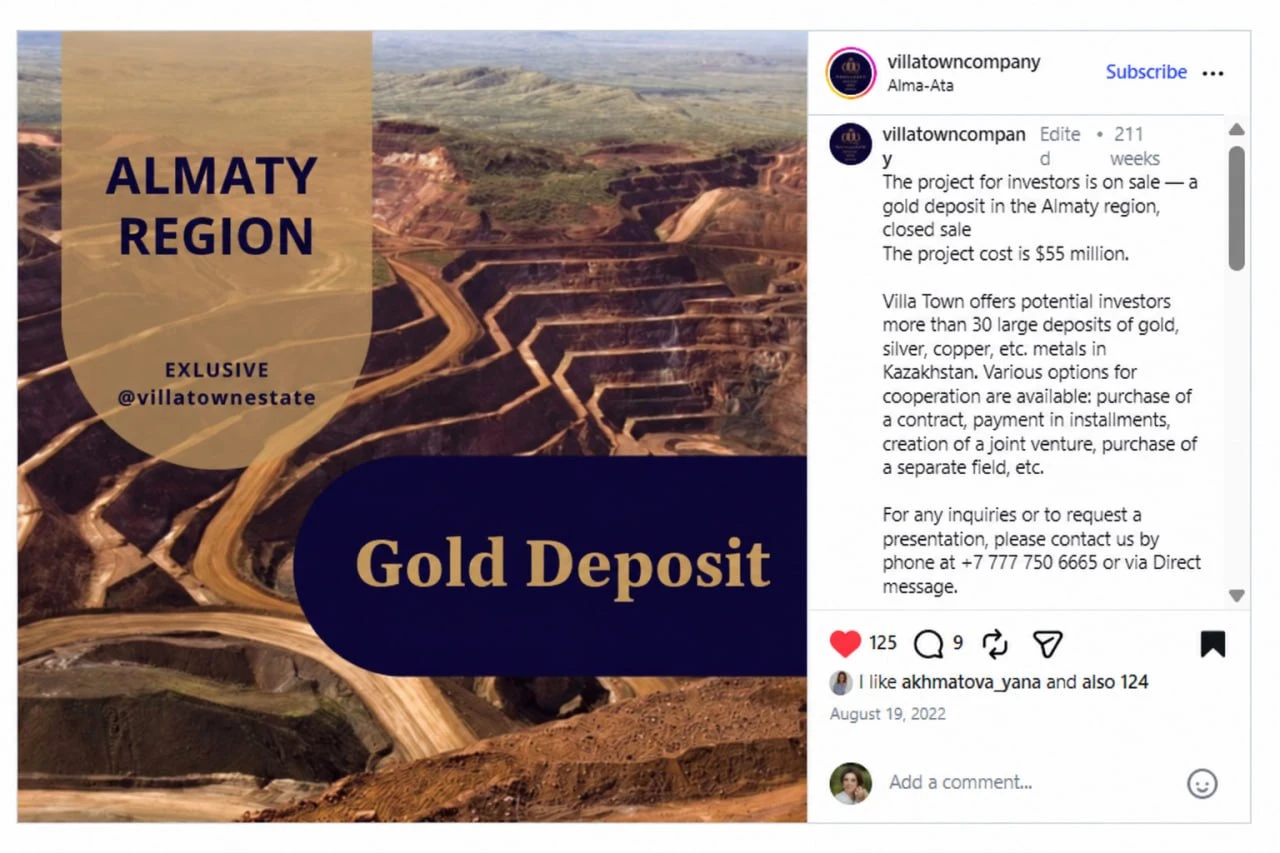
Before that she worked in banking and then built her own business, where she was responsible for strategy, management and marketing. At some point a mining project came up for sale, and she decided to try to find a buyer for it through Instagram. For the market this approach looked almost audacious, but that is exactly where her immersion in the industry began.
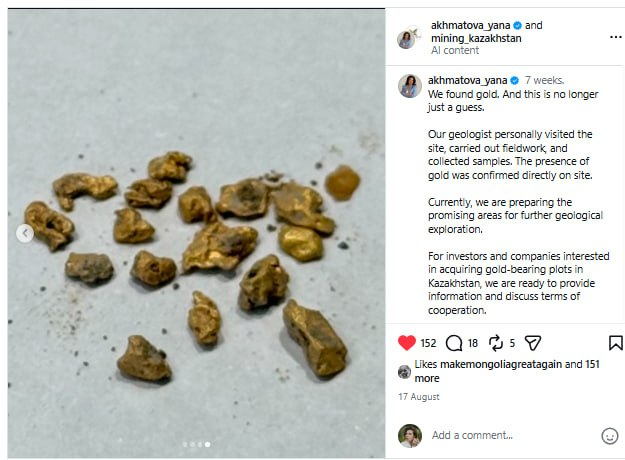
It quickly became clear how much terminology, how many rules and professional nuances there are here. Yana admits that she simply did not know much back then. But the industry did not put her off: geologists, mining engineers and project owners explained how subsoil use works and helped her understand geology, reporting and the mechanics of deals.
Within a few years she went from someone from another industry to a market participant: today she supports deals, works with owners and buyers, and has herself become a subsoil user together with partners.
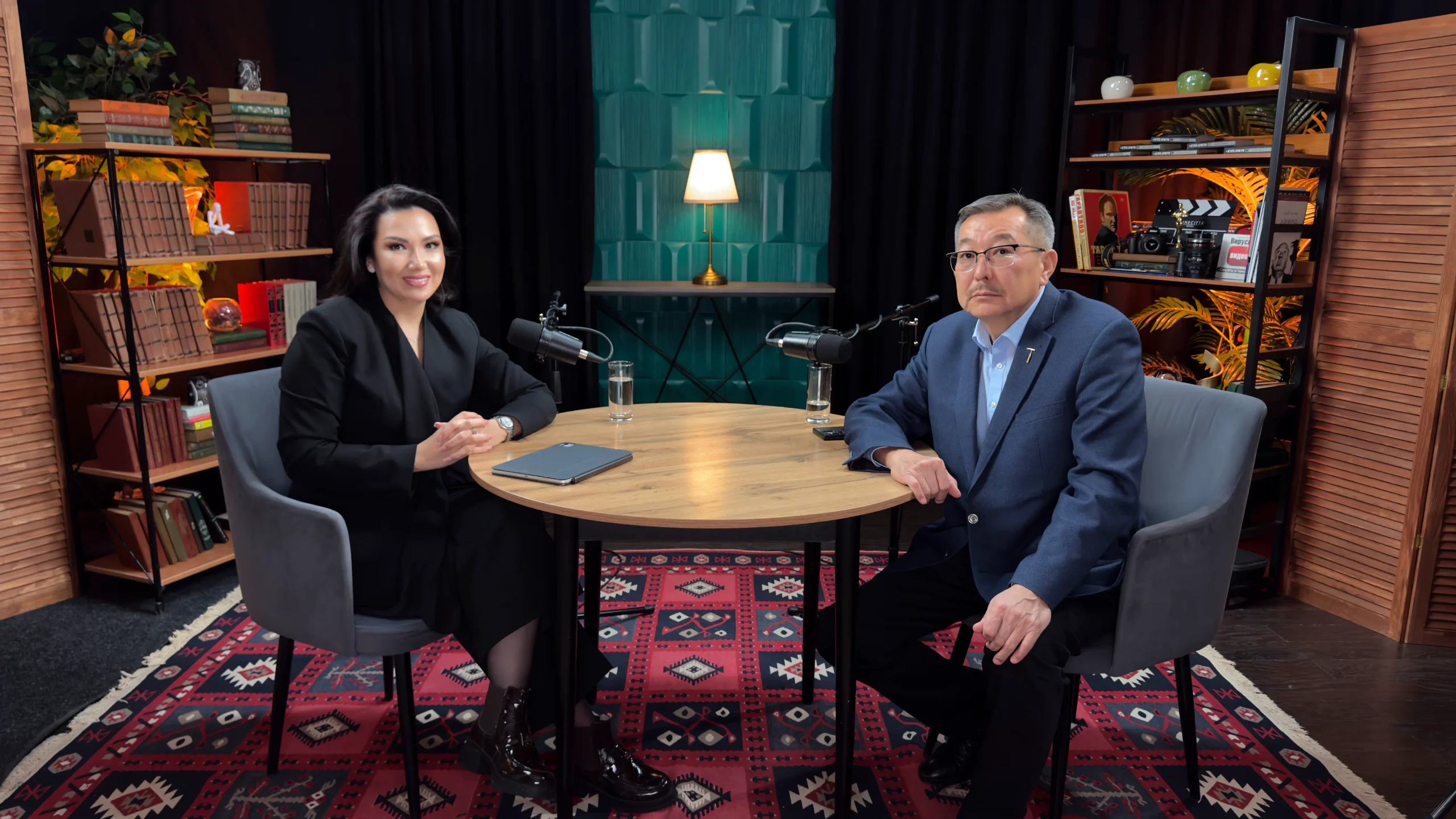
The podcast “Worth Its Weight in Gold” grew out of this experience. Once, industry professionals shared their knowledge with Yana, and now she brings together geologists, miners and other specialists to pass that experience on. Because when entering subsoil use, capital or an interesting project alone is not enough: you will have to understand the industry and learn from those who already know how it works.
The world still needs metals and minerals, and demand for critical minerals is only growing. That means new projects are needed, people ready to develop them, and capital ready to work in the industry.
So if you have long been eyeing subsoil use from the outside, entering the industry is entirely possible. But you should come in not with just a stack of money, but also with a good team, patience and a readiness to learn a great deal.
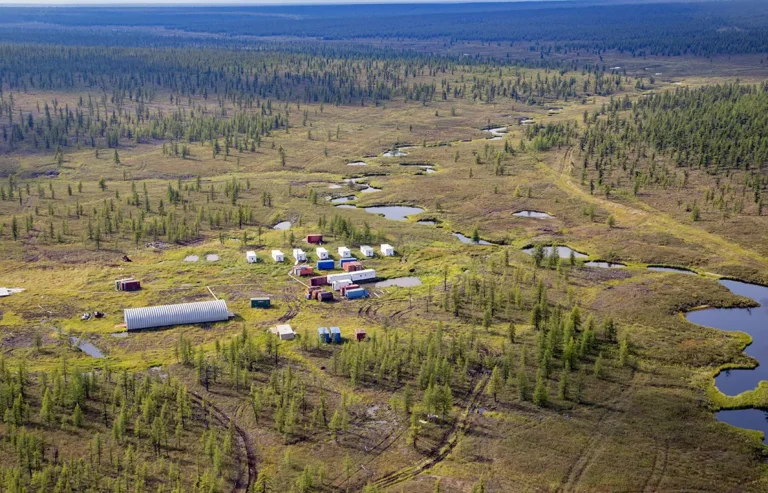
Cover: the Tomtor deposit. Source: Association of Rare Metals and Rare Earths (RM and REM)